My First 5k Race
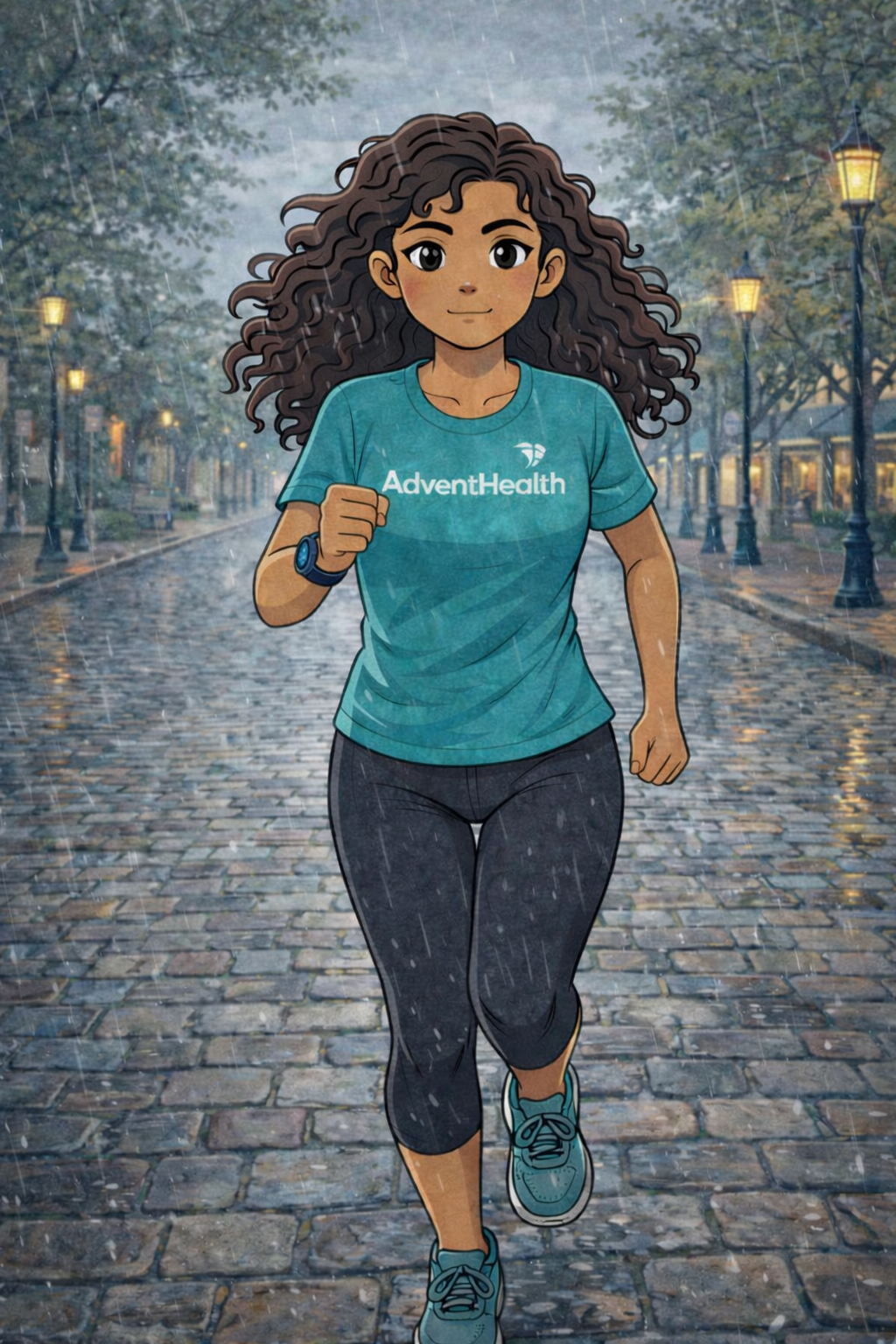
My first 5K was the AdventHealth Corporate 5K in May 2025. I’ll be honest — I wasn’t exactly prepared.
At the start of the year, I casually mentioned to a few people at work, including my manager and supervisors, that I wanted to run a 5K. Before I knew it, they had convinced me to register for our company’s race. Since they were required to attend as part of corporate and my participation was voluntary, I wasn’t expecting to be called out.
But… I was.
Suddenly, this vague idea had a date, a location, and people who now expected to see me at the starting line. What started as a passing comment became a commitment I couldn’t quietly back out of.
So I signed up.
Of course, I didn’t start training right away — a classic procrastinator move. Maybe it was motivation, or maybe I just needed a looming deadline to get moving. Even though I told people I was doing the race, no one was checking in on my progress, so accountability was lacking.
I only really started running in April — one month before the race.
Before that, I ran occasionally, telling myself I was “preparing,” but it didn’t amount to much. I didn’t follow a Couch to 5K plan or anything structured. My approach was simple: run as much as I could, aiming to build up to a mile. My plan was questionable at best. I figured I’d run a mile, walk the rest, and maybe squeeze in a little more running if I could. My goal was to finish in about 50 minutes. I wasn’t expecting much faster.
That month, I got a Garmin Forerunner 165 Music watch and started following its running suggestions. It was a game changer.
Quick plug: you don’t actually need the music version unless you want it. I listen to audiobooks, so I connect my headphones separately. What really impressed me was the battery life — so much better than any Apple or Android watch I’ve tried. It easily lasts nine days, which is perfect if you’re like me and forget to charge things daily.
The watch gives running suggestions, paces, and times, and even starts your day with a review of your sleep, the weather, and a gentle nudge to go for a run.
At the time, I didn’t have a plan — I needed suggestions.
The first one?
Run slower.
I had no idea how fast I was going or how to maintain a steady pace. I’d start off sprinting, then quickly burn out, gasping for air. The watch told me to slow down, which felt counterintuitive, but I listened. To my surprise, I could run much farther and actually hear my own thoughts.
It sounds simple, and I can’t believe I didn’t consider it before.
If finishing fast had been my goal, then yes — I would have tried to run fast. But that wasn’t my goal. I had said my finish goal was 50 minutes, but I had no real race experience to go off of. I was barely making it to three miles on practice days. During that month of preparing, I only hit a full 5K twice. Most days, I was focused on reaching one mile of continuous running.
To get there, running slower was the best advice I could have been given.
Race Day: Waiting, Rain, and Reality
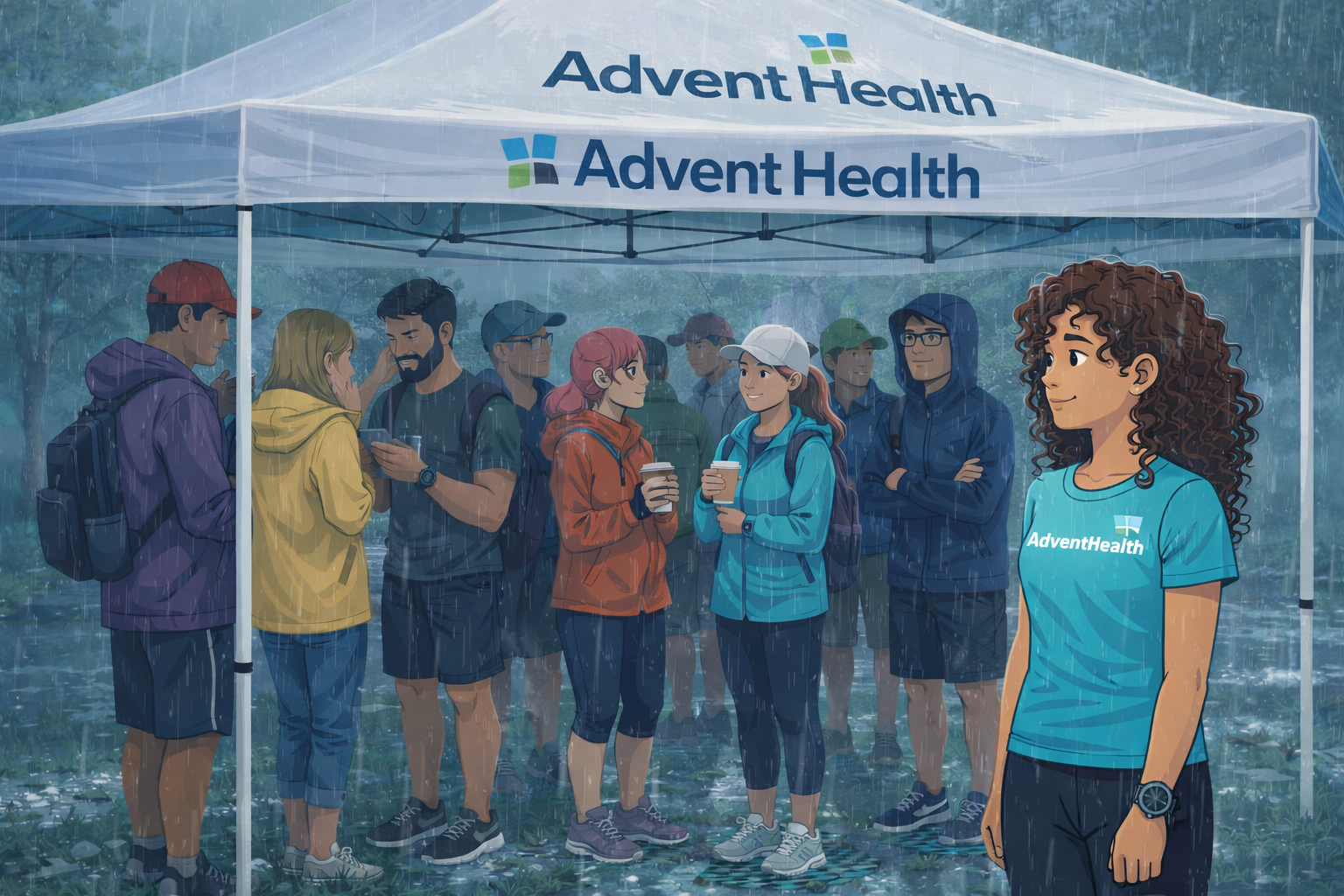
Race day arrived. I worked in the office that morning, then headed to the race location. I spent most of the day waiting for coworkers to show up. When they finally did, the sky opened up — it started pouring. Cold, heavy rain.
Most of us huddled under a vendor tent trying to stay dry. Many people left early, but I had promised too many people I’d run, so I stayed.
Mistake #1: Starting with the Walkers
I started with the walkers. My number tag said “walking” because I didn’t feel like I belonged with the runners. I wasn’t confident I’d finish under 45 minutes (which the signup used to separate runners), so I didn’t sign up as one.
Starting with the walkers meant weaving through crowds of people who were content to walk the entire race. Practicing at a quiet lake is one thing; dodging hundreds of people on a cobblestone road in the rain is another.
It’s not a straight run. You’re turning at streets, jumping onto sidewalks to pass people, then back onto uneven cobblestones. Even without hills, those surfaces aren’t level. I don’t think I truly understood just how many people join a race. Even in the rain, there were hundreds to evade.
Mistake #2: Not testing brand new shoes in the rain
My second mistake was wearing a brand-new pair of Brooks Adrenaline shoes I’d bought just a week before. I had practiced in them, so it wasn’t their first wear, but they were still new.
While these shoes are fantastic for dry conditions and everyday training, I quickly learned they weren’t designed for wet, slippery cobblestone roads in heavy rain. The tread on the soles wasn’t aggressive enough to channel water away, so instead of gripping the ground, I found myself sliding with almost every step.
There were moments when I nearly lost my balance, and I had to slow down just to avoid falling.
They were also completely soaked. I was sloshing around with water in my shoes, lifting what felt like bricks with every step.
At the time, I didn’t understand it. I thought all running shoes would, you know… work in the rain. After all, they’re labeled breathable 😂
Ignorance on my part — but we all have to learn somewhere.
Mistake #3: Not Preparing for Rain at All
In all my practice, I had never run in the rain. If it looked overcast, I didn’t even consider going out.
If you’re not ready for wet weather, race day can be brutal.
I wore regular workout leggings, which soaked up water and pooled at my knees before draining into my shoes. I initially wore a long-sleeve workout top but changed into the race T-shirt — a mistake. The shirt was loose and became heavy when wet, while the long sleeve would have clung to me and stayed warmer.
The wind stung. Rain battered my face. I had to dodge walkers and runners splashing water everywhere.
It was a tough, overstimulating experience.
~
One thing I never considered before races: the people who come out to cheer.
There were supporters standing in the rain, bundled in ponchos, encouraging us. It’s hard for runners, but it’s just as tough for the supporters who get drenched while offering encouragement.
Their energy genuinely helped me push through.
There were moments I thought about quitting — slipping off the course and heading back to my car. But then I’d spot another group of supporters ahead. That sense of being watched motivated me to keep running, at least while I was in their line of sight.
I’ll admit, I felt pressure to look like I was giving it my all when I passed cheering zones.
And honestly? It worked.
With all the barriers and encouragement, I managed a mix of running and walking most of the race — short runs of 0.10–0.20 miles, followed by longer walking stretches. The rain was relentless, and nothing went the way I envisioned.
When I finally crossed the finish line, my time was 55 minutes — slower than all my practice runs.
But you know what?
I deserved that finish.
I tried. I finished. Despite the mistakes. Despite the rain. Despite wanting to quit.
~
Right after the race, I started looking for another one. Not because it went well — but because I wanted a better experience. I wanted to do better.
At the time, I didn’t consider myself a runner. Maybe I thought a runner was someone who could run a mile without stopping. Maybe I thought it was someone faster. Whatever it was, I didn’t consider myself one
Then, while shoe shopping with a friend, the sales representative asked if I was a runner. I downplayed it and said, “Not really.”
She immediately corrected me:
“Yes, you are. You run, and you’ve even participated in a race.”
That moment made me pause.
Being a runner didn’t start when I crossed a finish line.
It started when I decided to run for my health.
It started when I wanted to walk in peace without losing my breath.
It started when I finally put my foot down and tried.
That’s How I Became a Runner